
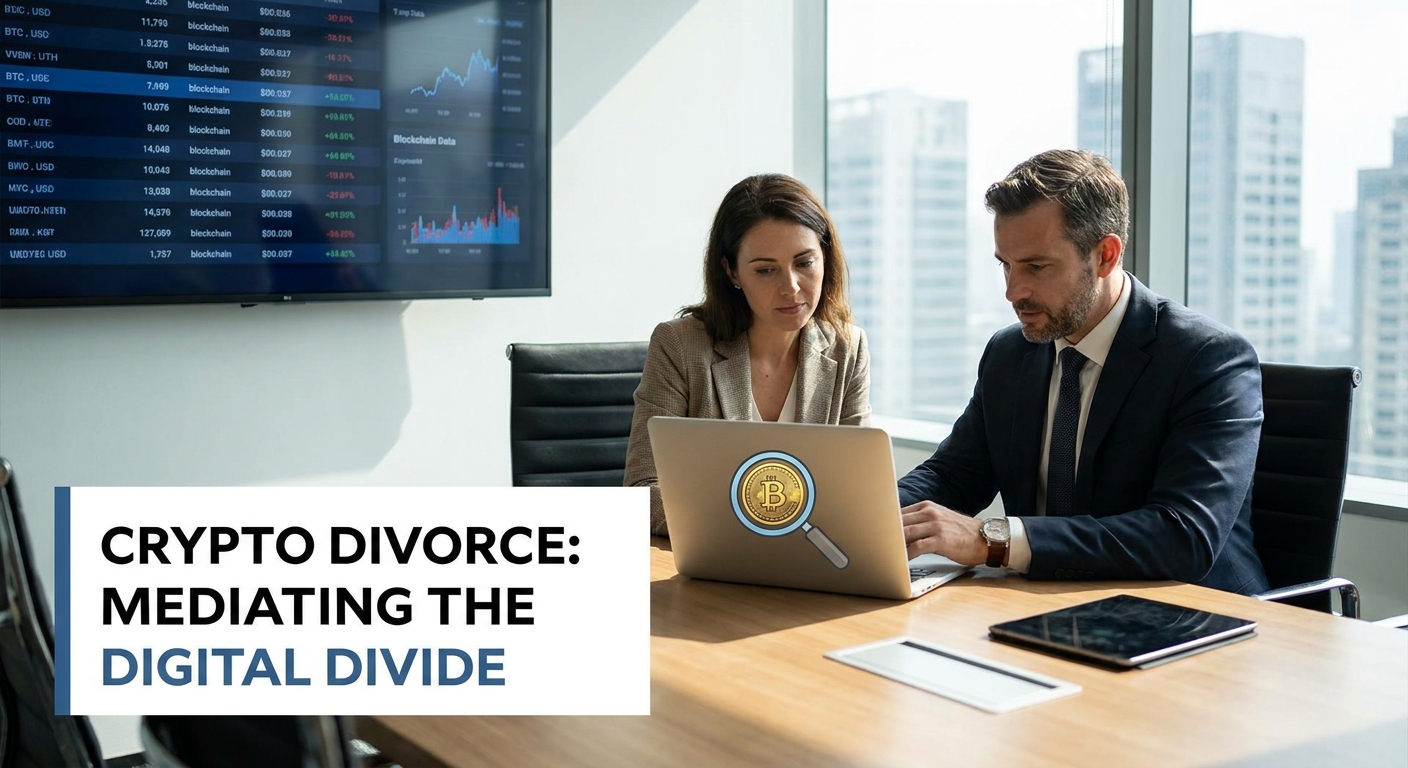
Elara and David had built a comfortable life over fifteen years, their assets seemingly straightforward: a house, retirement accounts, two cars. But when their marriage dissolved, a new, unsettling layer emerged. David, an early tech adopter, claimed a modest crypto portfolio, easily accounted for. Elara, however, remembered late-night trading sessions, hushed phone calls, and an intensity that suggested far more than he was now disclosing. Her gut told her something significant was missing from the financial picture, a digital ghost in the machine. This scenario is increasingly common, exposing a profound "digital divide" where one spouse possesses the technical savvy and access to digital assets, while the other is left in the dark, vulnerable to undervaluation or outright concealment.
The rise of cryptocurrencies and blockchain technology has introduced unprecedented complexity into asset division during divorce. Traditional financial discovery methods, which rely on paper trails and centralized institutions, often fall short. Digital assets like Bitcoin, Ethereum, NFTs, and DeFi positions exist on decentralized ledgers, can be held in self-custody wallets, moved across international borders with ease, and are often obscured by layers of technical jargon. The challenge for legal and financial professionals, and indeed for divorcing individuals, is to bridge this knowledge and access gap, ensuring a fair and equitable division of all marital assets, digital or otherwise.
Navigating this terrain requires a specialized approach, leveraging the very tools and methodologies that provide transparency in the blockchain ecosystem. One crucial strategy is Comprehensive Digital Discovery. This goes beyond requesting bank statements; it involves a meticulous search across all digital touchpoints. Think about the digital footprint: email accounts, cloud storage (Google Drive, iCloud, Dropbox), personal computers, mobile phones, even gaming consoles or smart TVs. Investigators look for clues like exchange registration emails, transaction confirmations, screenshots of wallet balances, seed phrases, private keys (though rarely found directly), or even physical receipts for hardware wallets. The goal is to identify any potential on-ramps or off-ramps to crypto, or direct evidence of wallet ownership. For instance, an old email from a centralized exchange like Coinbase or Binance, confirming an account creation or a large deposit, can be the critical thread that unravels a hidden portfolio. Specialized software is indispensable here, allowing for forensic imaging of devices and systematic searching for specific keywords and file types associated with cryptocurrency.
Once potential crypto activity is identified, the next strategy is On-Chain Tracing and Analysis. This involves using advanced blockchain analysis software to follow the flow of funds on public ledgers. If an investigator uncovers a transaction ID from an exchange withdrawal, or an address linked to a known participant, they can then trace where those funds went. This isn't always a simple linear path; funds can be routed through multiple addresses, mixed with other transactions, or moved into decentralized finance (DeFi) protocols or non-custodial wallets. Software can visualize these complex transaction graphs, cluster addresses likely controlled by the same entity, and identify patterns that suggest asset transfers, potential attempts to obscure ownership, or engagement with specific DeFi applications. For example, following a significant amount of Ethereum from a known exchange address to a series of smart contracts on a lending platform like Aave or Compound reveals not just an asset, but an income-generating or debt-accruing position that needs to be valued.
Finally, Expert Collaboration and Education are paramount. The intricacies of blockchain technology mean that legal teams and financial advisors often need to work closely with forensic blockchain experts. These experts can not only conduct the technical investigation but also translate complex technical findings into understandable language for the court and the parties involved. Educating the non-crypto-savvy spouse on the basics – what a hardware wallet is, how a decentralized exchange works, or the difference between a token and a coin – empowers them to ask more informed questions and understand the expert's findings. This collaborative approach ensures that all parties are operating from a shared, albeit technically complex, understanding of the digital assets in question.
In the realm of digital evidence, maintaining a robust Chain of Custody is an evidence-based concept that becomes even more critical. Every step, from the initial forensic acquisition of data from a device to the analysis of blockchain transactions, must be meticulously documented, timestamped, and verifiable. This ensures the integrity and admissibility of the digital evidence in legal proceedings. Hashing files upon acquisition, for example, creates a unique digital fingerprint, proving that the data has not been altered since it was collected.
Amelia, a divorcing spouse, remembered her husband, Robert, once mentioning a 'Ledger' device. This seemingly minor detail, combined with an old email notification for a large cryptocurrency exchange withdrawal from years prior, provided the initial clues. Forensic specialists leveraged these breadcrumbs. By analyzing the transaction ID from the email and tracing the funds on-chain, they were able to identify a substantial, previously undisclosed, cold storage wallet that Robert had been actively managing and growing for years. This direct evidence transformed Amelia's financial settlement.
The digital divide in divorce is real, but it is not insurmountable. With the right strategies, expertise, and technological tools, what was once hidden in the digital ether can be brought into the light. If you suspect crypto assets are involved in your divorce, don't wait. Engage with legal counsel and specialists early. Begin gathering any digital breadcrumbs you can recall – old emails, text messages, device backups, or even casual mentions of crypto platforms. These seemingly small details can be the critical starting points for a comprehensive digital asset appraisal.