
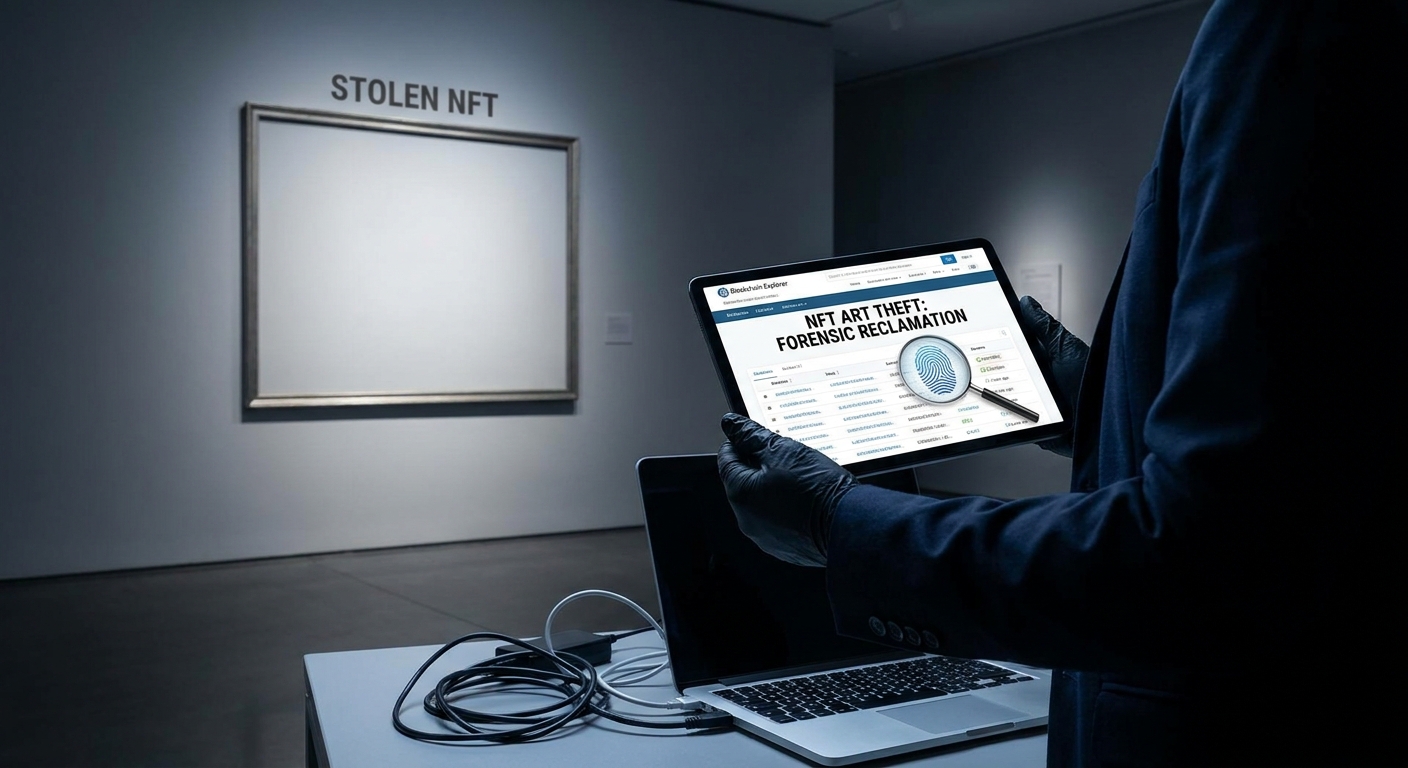
The digital art world, vibrant and innovative, has unfortunately become fertile ground for a particularly insidious form of theft: the unauthorized minting and sale of NFT art. Imagine a creator like Priya, who poured months into developing a unique generative art collection, meticulously crafting algorithms and visual elements. She’d shared glimpses of her process on social media, building anticipation. Then, one morning, she woke to a chilling discovery: her entire collection, or strikingly similar derivatives, had been minted as NFTs on a prominent marketplace by an unknown entity, "CryptoGhost," who was already profiting from her stolen intellectual property. Priya's original work remained unminted, yet now CryptoGhost’s illicit NFTs were actively trading, muddying the waters of ownership and devaluing her legitimate artistic efforts. This scenario, far from rare, underscores the critical need for forensic reclamation in the NFT space.
When confronted with such a theft, the path to reclaiming rightful ownership and mitigating damage requires a multi-faceted forensic approach, meticulously blending on-chain data analysis with off-chain investigative techniques. Our objective as forensic experts is to establish an irrefutable chain of evidence, tracing the digital footprints left by the perpetrator.
One primary strategy involves deep on-chain transaction analysis. Every action on a public blockchain leaves an immutable record. When an unauthorized NFT is minted, it's tied to a specific smart contract and a wallet address that initiated the transaction. We begin by identifying the perpetrator's primary wallet address linked to the stolen mint. From there, we meticulously trace the flow of funds. Where did the gas fees for minting come from? Was it from a newly created wallet, or one with a history? What other NFTs or tokens does this wallet hold? Where are the proceeds from the illicit sales being sent? By following these transactional breadcrumbs, we can often uncover connections to other wallets, centralized exchange deposit addresses, or even decentralized finance (DeFi) protocols, slowly building a profile of the perpetrator's digital presence. For example, if the gas fees for minting were funded by a wallet that recently received a large sum from a known centralized exchange, that transaction ID and timestamp become vital pieces of evidence for potential legal action to identify the account holder.
Alongside on-chain tracing, thorough off-chain investigation is crucial. The digital thief, despite their attempts at anonymity, often leaves a trail in the broader internet ecosystem. This involves scrutinizing the marketplace profile where the stolen NFTs are listed. Are there any associated social media links, Discord usernames, or email addresses? What other NFTs has this account minted or purchased? Sometimes, perpetrators use consistent pseudonyms or even real-world social media handles across different platforms, inadvertently linking their on-chain activities to their online personas. We also analyze metadata associated with the stolen NFTs – any embedded links, external URLs, or creator information that might have been overlooked by the thief. This also extends to searching for early versions of the artwork or similar art posted by the thief on other platforms prior to the NFT mint, looking for inconsistencies that betray their claim to ownership.
A vital evidence-based concept guiding our efforts is Digital Provenance. In the traditional art world, provenance refers to the documented history of an artwork's ownership. For digital assets, this concept adapts to encompass the earliest verifiable evidence of creation and ownership. This includes timestamped records of original source files, development logs, early drafts, and crucially, prior public display of the artwork on social media or personal websites before any NFT minting occurred. These pre-mint records, often with embedded timestamps from platforms like Twitter, Instagram, or even Git repositories, serve as powerful counter-evidence against the thief's claims. They establish a clear timeline of creation that predates the illicit mint, effectively debunking the thief's assertion of ownership.
Consider the case of "Pixel Serenity." An artist, Oscar, discovered his unique pixel art series was minted by an unknown wallet, "AnonMinter." By meticulously tracing the initial minting transaction, we found the gas fees were paid from a wallet that had recently received a significant sum from a well-known centralized exchange. Simultaneously, Oscar provided screenshots of his art posted on his Behance portfolio and Twitter account, dated months before AnonMinter’s NFT mint. The combination of the on-chain financial trail pointing to a potential real-world identity and the robust digital provenance provided by Oscar's timestamped social media posts formed a compelling case. This comprehensive data package could then be used to issue a DMCA takedown notice to the marketplace and, if necessary, form the basis for a cease and desist letter or a court order to freeze assets or compel the exchange to reveal AnonMinter's identity.
Ultimately, the goal of forensic reclamation is not just to identify the thief, but to provide actionable intelligence that empowers the rightful owner to pursue legal avenues for recovery and removal. For individuals needing appraisals of their digital art, proactive documentation is paramount. To safeguard your work against potential theft and ensure its value can be properly assessed, cultivate an unassailable record of digital provenance. Maintain meticulous logs of your creative process: original source files with creation dates, development notes, early drafts, and timestamped social media posts showcasing your work prior to any NFT minting. Keep records of any private sales agreements or commissions. This comprehensive documentation creates an irrefutable historical record, serving as your primary defense and providing the essential foundation for any future appraisal or forensic investigation.