
Clara, a freelance graphic designer, watched the initial frenzy around the "Galactic Guardians" NFT collection with a mix of excitement and FOMO. She’d seen friends make quick profits flipping digital art, and the community around Galactic Guardians seemed vibrant, with an ambitious roadmap promising metaverse integration and exclusive merchandise. Investing a significant portion of her savings, she bought two Guardians, envisioning a future where these digital assets would not only appreciate but also offer her a sense of belonging in a burgeoning digital world. Months later, facing an unexpected medical bill, Clara tried to sell. To her dismay, the floor price had plummeted, and even at a significant discount, her NFTs sat unsold on the marketplace. The vibrant community had faded, the roadmap was unfulfilled, and the once-promised liquidity had simply evaporated, leaving her with digital assets that felt more like digital liabilities.
This scenario, unfortunately common, underscores a critical yet often misunderstood aspect of the NFT market: liquidity. Unlike traditional assets with established exchanges and clear market makers, the resale value of an NFT is a complex interplay of on-chain data, off-chain sentiment, and often, pure speculation. For those tasked with appraising these assets, whether for financial reporting, estate planning, or litigation, deciphering this "liquidity code" is paramount. It’s not enough to simply glance at the last sale price; a forensic approach is essential to understand if an NFT truly holds its perceived value or if it’s merely a digital mirage.
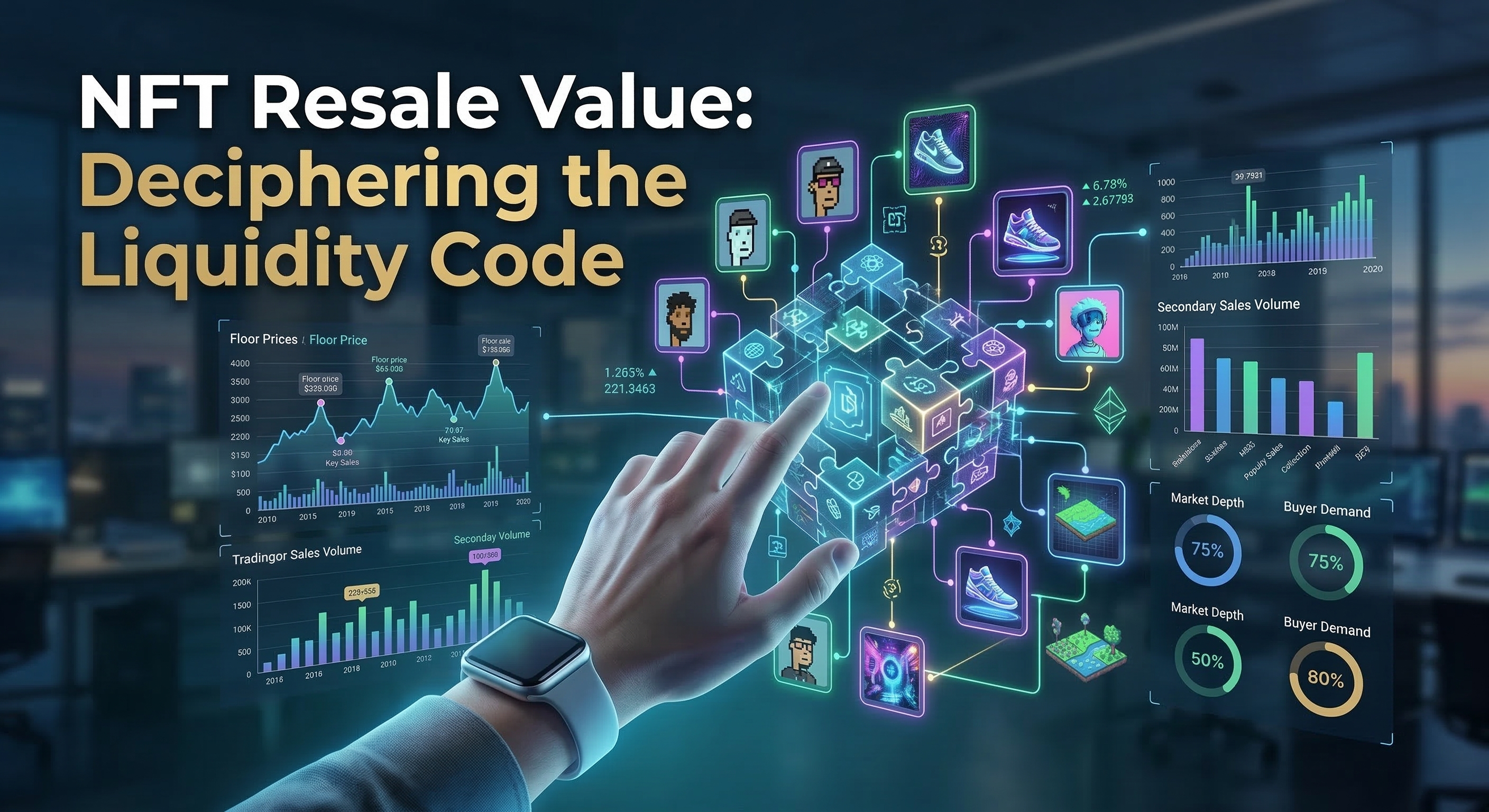
One critical strategy involves a meticulous On-Chain Transactional Analysis and Market Depth assessment. This is where the rubber meets the road for forensic analysis. We need to move beyond superficial metrics like "floor price" and dive into the actual transaction history of an NFT collection. Our software allows for detailed examination of sales volume over time, tracking not just how many sales occurred, but who was buying and selling. Are the sales concentrated among a few wallets, potentially indicating wash trading or insider activity designed to inflate prices? What is the real bid-ask spread? A high floor price with no actual bids near it suggests illiquidity. We also analyze wallet distribution: how many unique holders are there? A collection dominated by a few large holders might be susceptible to sudden price drops if those holders decide to unload their assets. Furthermore, identifying the average holding period can offer insights into investor sentiment—are people flipping quickly or holding for the long term?
Another crucial strategy is Off-Chain Sentiment and Utility Assessment. The value of many NFTs is deeply intertwined with their associated community and promised utility, which often exist off-chain. This requires a qualitative, yet structured, assessment. We look at the project's social media presence: activity levels, genuine engagement versus bot-driven hype, and the sentiment surrounding recent announcements. Discord activity, for instance, can reveal the health of a community. Is it active, supportive, and growing, or has it become a ghost town filled with spam? Furthermore, has the project delivered on its roadmap promises? Unfulfilled promises erode trust and, consequently, value. A vibrant community and tangible utility—like access to exclusive events, intellectual property rights, or integration into a game—can significantly bolster an NFT's long-term liquidity, whereas their absence can lead to a rapid devaluation.
Finally, Provenance and Rarity Verification are essential. Just like physical collectibles, an NFT's provenance—its history of ownership—and its verifiable rarity play a crucial role in its resale value. Our tools can trace the complete ownership lineage of an NFT, identifying original creators, significant past holders, and any suspicious transfer patterns. This helps confirm authenticity and detect potential issues like stolen assets being relisted. Rarity, often determined by specific traits within a collection, can be objectively quantified. Is the NFT truly unique, or is its perceived rarity a common trait? We also cross-reference rarity data with actual sales data to see if rare traits genuinely command higher prices or if the market is valuing other attributes. Detecting wash trading—where an asset is repeatedly bought and sold by the same entity to create an illusion of demand—is also paramount here, as it distorts perceived value and liquidity.
At its core, understanding NFT liquidity boils down to a rigorous Market Depth Analysis. This involves examining the order book (if available on the marketplace) or, more commonly for NFTs, analyzing the distribution of listed assets at various price points and comparing it against historical bid data. A "deep" market has a healthy number of buyers and sellers at different price levels, indicating robust demand and supply. A "shallow" market, conversely, shows large gaps between bids and asks, or a significant concentration of listings at the floor with little movement, signaling a lack of genuine interest and therefore, poor liquidity.
Consider the "CyberCats" collection. On the surface, its floor price seemed stable, hovering around 0.5 ETH for weeks. However, a deeper dive into the transaction logs by Robert, a forensic analyst, revealed a crucial detail. The vast majority of sales were small, irregular transactions, often between wallets with shared funding sources. When filtering out these suspicious activities, genuine, organic sales plummeted to almost zero. What appeared to be a steady market was, in fact, an artificial construct, making the collection's liquidity – and therefore its true resale value – negligible. Robert's analysis prevented a misvaluation that could have significantly impacted a client's portfolio.
For anyone needing an accurate appraisal of an NFT's resale value, a simple glance at the current floor price or a few recent sales is wholly insufficient. Demand a comprehensive, data-driven analysis that meticulously scrutinizes on-chain transaction history, assesses off-chain community health and utility, and verifies provenance and rarity. Only through such a rigorous forensic examination can the true liquidity, and thus the reliable resale value, of an NFT be genuinely deciphered, moving beyond speculative hype to tangible, evidence-based valuation.