
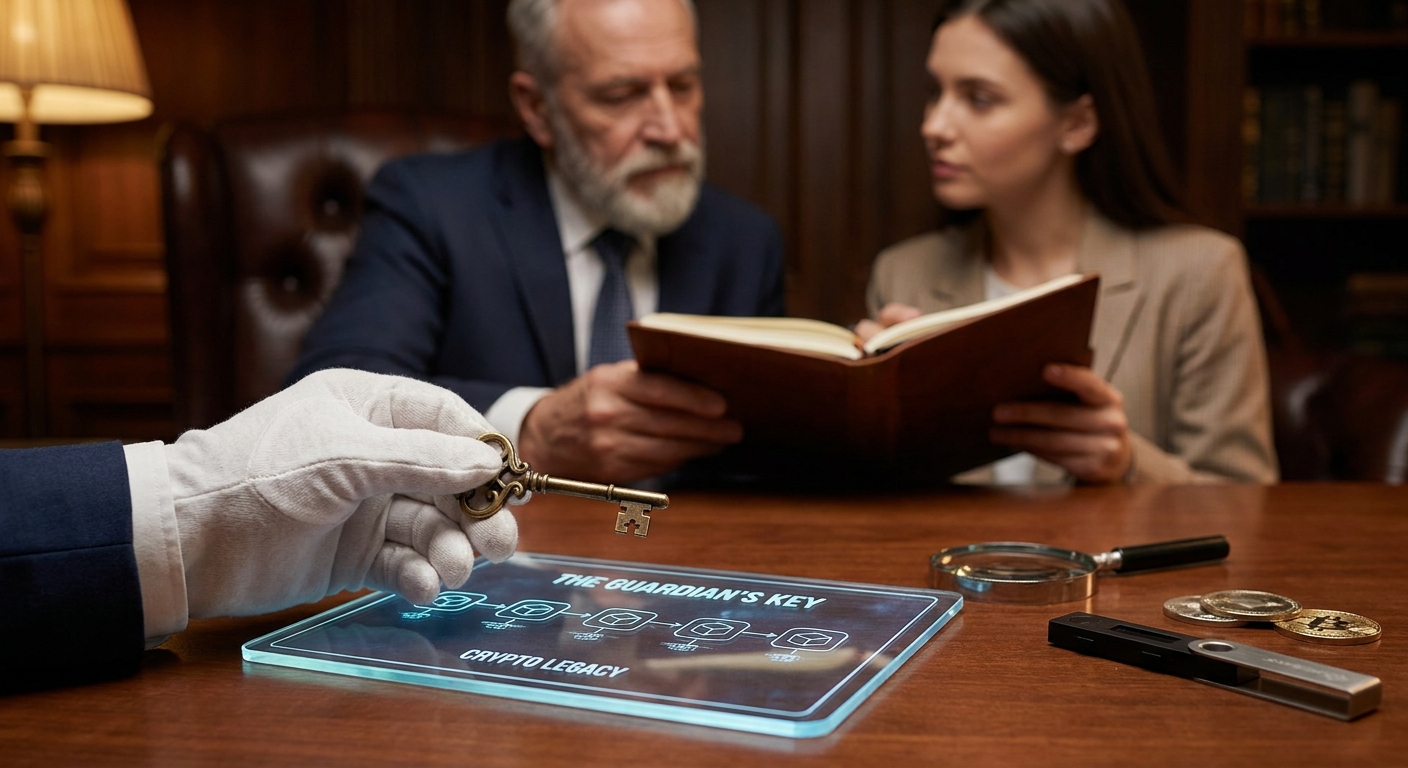
The digital vault sits locked, a shimmering promise of future wealth, but also a potential Pandora's Box for those left behind. Imagine Elara, a tech-savvy grandmother who meticulously built a substantial crypto portfolio over a decade. She recently passed away unexpectedly, leaving her bewildered adult children, Liam and Anya, with a cryptic note mentioning "the digital inheritance" and a single, unlabelled USB drive. They spent weeks fruitlessly trying to access her accounts, their frustration mounting with each failed login attempt. The keys, the seed phrases, the exchange credentials – all were lost in the ether, along with a significant portion of Elara's intended legacy. This isn't a hypothetical; it's a recurring nightmare in the burgeoning world of digital assets.
Ensuring your cryptocurrency is accessible to your heirs requires proactive planning, much like safeguarding physical assets. The fundamental challenge lies in the inherent nature of digital ownership: control is paramount, but so is security. Without the correct private keys or seed phrases, your digital wealth is effectively inaccessible, a ghost in the machine. It's not enough to simply tell someone where your wallet is; you need to provide them with the means to unlock it, securely and without compromising your existing holdings.
One of the most effective strategies is the multi-signature wallet, often referred to as a "co-signing" or "m-of-n" solution. Think of it as requiring multiple keys to open a safe. In a 2-of-3 setup, for instance, you would hold one key, a trusted family member or legal professional would hold another, and a third key would be stored separately, perhaps with your lawyer. Upon your passing, your designated beneficiaries would need to present two of these three keys to access the funds. This mitigates the risk of a single point of failure – be it your death, incapacitation, or accidental loss of a single key. It also adds a layer of security against unauthorized access during your lifetime. For example, a husband and wife, both holding one key in a 2-of-3 setup, could ensure their children can access funds even if one parent is no longer able to.
Another crucial element is the secure storage of seed phrases and private keys. These are the ultimate keys to your kingdom. Instead of writing them down on easily discoverable pieces of paper, consider more robust methods. Engraving them onto durable metal plates, for example, makes them resistant to fire and water damage, common threats to paper documents. These engraved phrases can then be stored in multiple, geographically dispersed secure locations, such as safety deposit boxes or even within a will that is held by a trusted executor. The key is redundancy and resilience. Imagine a scenario where a father, Bartholomew, engraves his primary Bitcoin seed phrase onto a stainless steel plate and keeps it in his home safe, while a backup is stored in a secure vault managed by his attorney.
Furthermore, consider establishing a digital estate plan. This is analogous to a traditional will but specifically addresses your digital assets. It should clearly outline: which cryptocurrencies you own, where they are held (e.g., specific exchanges, hardware wallets), and the precise instructions for accessing them. Crucially, it should designate beneficiaries and executors who are technically capable or have access to technical assistance. A well-structured digital estate plan, when integrated with legal documents like a will, provides a clear roadmap for your heirs. Think of it as a comprehensive instruction manual for your digital inheritance.
Let’s look at an example. A retired engineer, Mr. Hiroshi Tanaka, meticulously documented his crypto holdings. He created a password-protected encrypted file containing the location of his hardware wallets and the encrypted seed phrases. He shared the decryption password for this file with his eldest son, Kenji, through a separate, secure communication channel, and provided his executor with the key to the encrypted file itself. This layered approach ensures that Kenji can access the information, but only with the executor's oversight, adding a layer of accountability.
The concept of "least privilege" from cybersecurity is highly relevant here. It dictates that individuals should only have access to the information and resources they absolutely need to perform their tasks. When planning your crypto legacy, apply this principle. Don't give your beneficiaries full access to your active wallets while you are alive. Instead, ensure they have the means to access them upon your death, without compromising your existing holdings.
For those who feel overwhelmed by the technicalities, seeking professional appraisals of your digital assets is a critical first step. Understanding the scope and value of your cryptocurrency holdings is essential for effective estate planning. This provides clarity and allows you to communicate your intentions with precision, ensuring your digital legacy is not lost to the complexities of the blockchain.